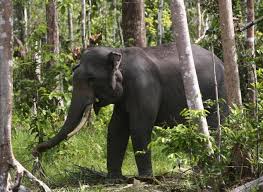
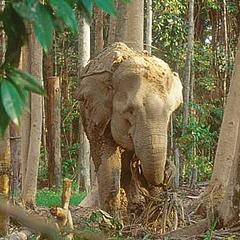
The Endangered Sumatran Elephant (Elephas maximus sumatranus)
Geographic Location
The geographic location of the Sumatran Elephants is Sumatra, western Indonesia.
INTERESTING INFORMATION
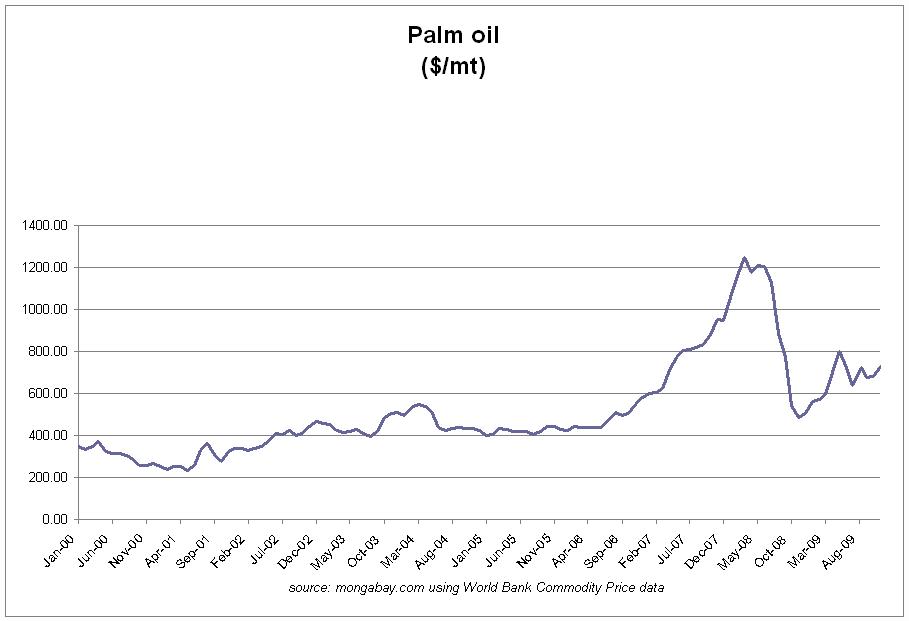
The Sumatran Elephant is extremely rare today, with estimates in 2,000 putting Sumatran elephant numbers at just over 2,000 individuals. The Sumatran Elephant population has severely declined as they have lost more than 80% of their natural habitat to deforestation for palm oil plantations. . Sumatran elephants are thought to be suffering primarily due to habitat loss in the form of deforestation and hunting for their ivory tusks by human poachers. Elephants travel much within broad home range so that they need more than one type of habitat. Forest types suitable for Sumatran elephants are:
1. Swamp forest
2. Peat Swamp Forest
3. Lowland forest
4. Lower mountain rain forest
Elephants were captured in the 17th century for the King of Aceh. That did not really impact the population much. The 350 year long occupation of Indonesia by the Dutch hunting for ivory and sport reduced the free roaming elephant population to approximately 3600 animals. In 1931, the Sumatran elephant became protected and slaughter of elephants ceased almost completely.
IMPORTANCE
The Sumatran Elephants are vital in maintaining the biodiversity of the island to which they are indigenous.
Primary Threats
- Poaching
- Habitat Loss
- Forest Conversion to Plantation Development (Deforestation)
- Human-Elephant Conflicts
Current status/population of species
Sumatran elephants were once spread across Sumatra. Today, they only survive highly fragmented populations. The elephants have lost around 70% of their habitat in the last 25 years. Currently, there are only about 2,400 to 2,800 individual Sumatran Elephants in the world. The Sumatran Elephants are critically endangered.
Actions being taken to protect the sumatran elephants
World Wildlife Fund (WWF) is working with partners in Sumatra to prevent forest destruction and secure wider forest landscapes. Their work focuses on the island's central Riau province. By using research about the elephants, WWF is trying to get solutions to ensure living for both humans and the elephants.
Actions you can take
- Don't buy ivory products
- Support sustainable wood, paper and palm oil
- Spread awareness around the world
- Adopt a Sumatran Elephant
- Donate to WWF
Links action organizations/conservation organizations
http://wwf.panda.org/what_we_do/endangered_species/elephants/asian_elephants/sumatran_elephant/
http://www.worldwildlife.org/species/sumatran-elephant
Additional information links
http://a-z-animals.com/animals/sumatran-elephant/
http://www.iucnredlist.org/details/199856/0
http://www.arcworld.org/downloads/Sumatran-Elephant-factsheet%20.pdf
http://news.discovery.com/animals/endangered-species/endangered-species-watch-sumatran-elephants-150216.htm